Roofs rarely fail all at once. More often, the trouble starts small. A lifted shingle after a windy night. A slow drip around a bathroom vent. A damp spot spreading on a bedroom ceiling. That is the moment homeowners face a choice that matters more than it seems: call a handyman for a quick fix, or bring in a licensed roofing contractor.
I have spent years walking roofs with insurance adjusters, climbing into attics after storms, and following up on “cheap” fixes that turned expensive. The line between what a handyman can handle and what calls for a specialist is not about snobbery. It is about risk, codes, warranties, and the way water behaves in real assemblies. When water finds a path, it keeps that path until someone truly interrupts it. On a roof, that often takes more than a bead of sealant and a brave ladder.
This guide breaks down the differences through practical examples, real costs, and the questions I ask when I decide whom to send to a job. If you have ever typed “Roofing contractor near me” and felt overwhelmed by the options, you will know where to start by the time you finish reading.
What a handyman does well, and where the limits show
Good handymen have saved many weekends and many bank accounts. They are agile, they solve problems across trades, and for small, contained tasks around the house they often provide the best value. On a roof, there are narrow cases where a capable handyman can perform solid work. Re-seating a loose gutter spike. Replacing a single missing shingle in a warm, dry spell on a simple, low-slope roof. Securing a lifted ridge cap. Re-sealing a satellite dish lag that never should have been installed there in the first place.
Here is the rub. Roofs are systems, and the weak link is rarely the only link. That missing shingle may be a symptom of brittle material across the field. The lifted ridge cap might trace back to insufficient ventilation and heat build-up, which fried the adhesive. The dish lag could have punched through the underlayment near a rafter pocket, and water may have been wicking along the fastener for months. If you treat just what you can see, the problem often returns with interest.
Handymen usually do not carry the specific roofing tools and accessories that live in a roofer’s truck. Things like copper step flashing, pre-formed pipe boots sized for metric vent stacks, nail guns calibrated for ring-shank roofing nails, and ice and water membrane for valley transitions. The absence of those parts leads to improvisation. Improvised roof details fade fast under sun and wind.
I have seen neat handyman patches over chimney counterflashing. They looked tidy from the ground. Up close, the patch bridged a step flashing sequence that was cut back too far. The sealant held through the fall, then the first spring downpour found the void. The homeowner paid twice: once for the quick patch, then again for a proper cricket, fresh step flashing, and interior repair.
Situations where a roofing contractor is the right call
A roofing contractor brings more than labor. You get code knowledge, manufacturer specifications, fall protection, and insurance that actually covers roof work. Just as important, you get judgment shaped by repetition. A full-time roofer has done the same detail hundreds of times in different weather, on different roof pitches, and with different materials.
Some triggers for bringing in a specialist are obvious, like wind damage across a whole slope or daylight visible around a chimney. Others hide in plain sight. Take a leak around a bath fan. Many times the problem is not the shingle above the vent at all, but a condensation loop in uninsulated ducting, a missing damper, or negative pressure in the house that pulls moist air into the attic. A seasoned roofing contractor or a well-run roofing company can separate building science from roof failure. That prevents a “repair” that misses the cause.
A reputable roofing contractor will also know where your local building department draws the line between repair and replacement. In many municipalities, replacing more than 25 to 30 percent of a roof slope within a twelve month period is considered a roof replacement that triggers permits, ventilation checks, and in snow country, mandatory ice barrier. A handyman may not track those thresholds, and the burden falls on the homeowner if the city flags the work.
The real cost picture, not just the invoice
People ask about price more than any other factor. It matters, but not in the way many assume. The first check you write is not the only cost. You also pay in risk, warranties, and the probability you will need the same area opened again.
A handyman might quote 150 to 400 dollars to re-seal a plumbing boot and replace a handful of shingles. A local roofer might quote 250 to 700 dollars for the same small repair, depending on roof height and pitch. On paper, the handyman wins. Where it flips is in what happens if the leak returns or if the fix affects manufacturer coverage.
Many shingle manufacturers offer material warranties that stretch 20 to 50 years depending on the product and whether you used a certified installer and a full system with matched components. Those warranties have conditions. If a handyman uses roofing cement where the spec calls for step flashing, or nails high on a replacement shingle, you have created an exception the manufacturer can use to deny a future claim. The roofer’s invoice might be higher, but it often preserves options you will care about five years down the road.
Now consider a larger repair. Replacing a valley section on a two-story home with a 7 to 9 pitch can run 1,200 to 2,500 dollars with a roofing contractor, because the crew will strip the area to the deck, inspect for rot, install ice and water membrane, re-lay underlayment, and tie new shingles into the existing field with correct offsets. A handyman might attempt it for half that using woven shingles over old felt and no membrane. If the house sits under trees and sees heavy leaf debris, the woven valley holds moisture, the nails rust, and the valley becomes a problem area year after year. Cheap becomes expensive fast.
The biggest cost swing appears when the repair can be part of an insurance claim. After a hail or wind event, a roofing contractor who knows the claims process can document storm-related damage that qualifies for replacement of full slopes under most policies. The difference between paying for a patch and getting a covered roof replacement is not small. I have stood with homeowners who almost paid for a series of handyman patches on what turned out to be a claim-approved full replacement.
Safety, licensing, and liability are not footnotes
Roof work is risky. Falls, heat exhaustion, and saw injuries show up in the statistics. When you hire a roofing contractor, ask how they tie off at height, what anchors they use, and how they secure ladders. Then confirm that their insurance is written for roofing, not general handyman services. If a worker falls from your roof and the company’s policy does not actually cover roof activities, you can be dragged into a claim.
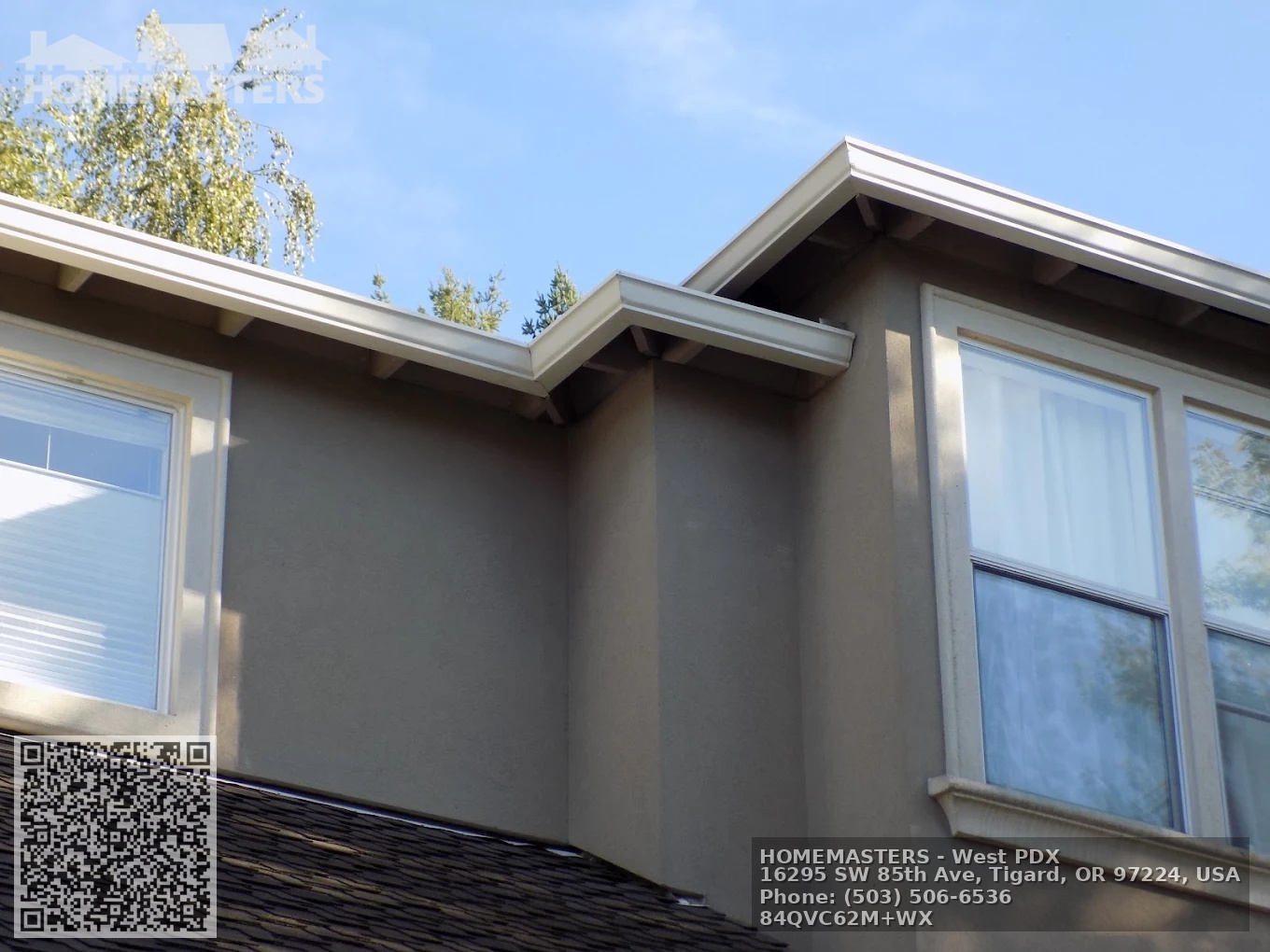
Licensed roofing contractors carry general liability and workers’ compensation tailored to the trade. They also pull permits where required. If your roof touches common walls in a townhouse, or if you are in a historical district, that paperwork matters. So do manufacturer credentials. Many major brands, from GAF to CertainTeed, maintain tiers of certified installers. Hiring one does not guarantee perfection, but it raises the floor. It also opens extended workmanship warranties beyond the basic one or two year promise.
A good handyman will have insurance too, and some are meticulous about safety. The difference is the envelope of risk they are set up to manage. Handymen are generalists by design. Roofers build their entire business around hot, steep, fragile surfaces and the rules that come with them.
Anatomy of common leaks and who should address them
Every leak tells a story. Once you know the common characters, it gets easier to decide whom to call.
Chimneys and walls. Brick chimneys and sidewall transitions produce leaks that travel under siding and into attic valleys. The cure is almost always fresh step flashing, new counterflashing cut into the mortar, and in the case of wide chimneys below a slope, a cricket to split the water. Handyman patches with polyurethane caulk and surface metal rarely last beyond a winter. This is roofing contractor territory.
Pipe boots. Modern elastomer boots crack after 10 to 15 years under UV. If the surrounding shingles are still pliable, a straightforward boot replacement can be a simple, single-visit job. A careful handyman can handle it, but only if they match the boot size to the pipe, slide the flashing under the correct courses, and re-seal nail heads under the shingle tabs. If the shingles are brittle or double layered, or the roof pitch is steep, hire a roofer.
Skylights. A skylight that has fogged glass is one thing. A skylight that leaks around the curb is another. Proper skylight flashing kits exist for a reason, and tying them into surrounding underlayment takes finesse. If the skylight sits in a low slope area or near a valley, small mistakes multiply. Roofers should handle these.
Valleys and dead valleys. Anywhere water concentrates, bad details show up fast. Valleys deserve ice and water membrane and correct shingle weaving or metal lining. Dead valleys where two slopes meet a vertical wall are tricky. The right fix often includes custom metal, proper slope build-up, and sometimes a scupper. Bring a roofing contractor.
Ridge vents and attic ventilation. Leaks at ridge vents are not always roof leaks. Negative pressure in the attic caused by bathroom fans or a whole-house fan can draw wind-driven rain under a ridge cap. A roofer who understands ventilation can diagnose whether airflow or flashing is the culprit. A handyman affordable roofing companies can replace a short section of ridge, but system-level fixes are a roofer’s job.
Fastener penetrations. Old satellite dishes, holiday light clips, and security cameras leave holes. Tiny holes can let in a surprising amount of water over time. A handyman can remove hardware and patch, but any hole larger than a nail should be addressed with proper shingle replacement, not surface mastic. If the deck is compromised, call a roofing contractor.
How building codes and manufacturer specs influence the decision
Roofs sit at the intersection of local codes and published manufacturer instructions. Inspectors enforce the former, warranty departments police the latter. Both matter. Codes set minimums for things like ice barrier in cold climates, drip edge at eaves and rakes, and ventilation ratios. Manufacturer specs set nail placement zones, underlayment types, and acceptable flashing methods.
When an inspector finds a deficiency during a permitted roof replacement, they can require corrections. During a repair that was never permitted, the inspection never happens, but consequences can show up later. Real estate transactions often trigger roof certifications. I have seen closings delayed because a handyman repair left a valley without adequate membrane or a rake without drip edge. At that point you are paying a roofer on a deadline instead of on your schedule.
Manufacturers publish technical bulletins that adjust details for steep-slope roofs, high-wind areas, and coastal exposures. A small town handyman may not maintain those libraries or the continuing education that certified roofers attend. If you live in a wind zone where six nails per shingle are required, a four-nail repair creates a weak spot. The difference shows up on the first big storm.
When repair becomes replacement
There is a threshold where good money after bad turns into a slow-motion roof replacement. Determining that point takes more than a glance from the driveway. A roofing contractor will lift shingles at multiple points to check for adhesion and granule loss, look for exposed fiberglass mats, measure attic moisture, and inspect decking from the underside for darkening or delamination. If more than a third of the field shows advanced wear, or if prior layers make proper repairs impossible, it is time to discuss roof replacement.
Roof replacement is not just tearing off old shingles. It is a chance to reset details that were never right. You can correct ventilation imbalances, add proper intake at the eaves, upsize bath fan ducts, and upgrade underlayment. You can replace skylights at the same time rather than risk reusing aging units. A conversation with a handful of roofing companies will surface options you did not realize existed, such as impact-resistant shingles in hail regions or hip and ridge products that outlast cut cap shingles.
If you are facing replacement, resist the urge to chase the absolute lowest number. The best roofing company in your area will have a backlog for a reason. Ask how they stage materials, who supervises tear-off, and what their process is for discovering rotten decking. That last part is where bids spread. Contractors who plan for a few sheets of replacement decking and show those unit costs up front tend to behave better when they find problems.
A five-point cheat sheet for who to call
- One missing shingle on a low, walkable roof in mild weather: a careful handyman can handle it if the shingles are still pliable. Persistent leak at a chimney, wall, or skylight: hire a roofing contractor with flashing experience. Valley issues, dead valleys, or complex roof geometry: roofing contractor only. Storm damage across a visible portion of a slope, or hail in the neighborhood: roofing contractor who understands insurance claims. Signs of widespread aging, brittle shingles, or multiple prior patches: talk to roofers about repair versus roof replacement.
Vetting a roofing contractor without wasting your week
- Verify licensing and insurance specific to roofing, not just general handyman coverage. Ask for recent, nearby addresses you can drive by to see their flashing work and details, not just shingle color. Confirm manufacturer certifications and what workmanship warranty they offer in writing. Clarify who will be on site, how many crew members, and who has the authority to make change decisions during tear-off. Request a scope that lists underlayment type, flashing approach, ventilation adjustments, and deck repair unit pricing.
Regional and seasonal realities
Timing matters. Asphalt shingles install best in warmer temperatures. In deep cold, the adhesive strips do not bond as readily, and a good roofer uses hand-sealing methods around the edges and rakes. Handymen often skip that step because they do not stock the right sealants or do not know which edges need it. In hot climates, walking brittle afternoon shingles can crack tabs. Pros schedule repairs early or late in the day to protect the material.
Snow country brings ice dams. The fix is not magic heat cables on the surface, it is insulation, ventilation, and a continuous ice and water barrier along eaves and in valleys during the next tear-off. If you are seeing winter leaks that vanish in spring, you may have an ice dam issue rather than a pure flashing problem. A roofing contractor who knows your climate Roofing companies can separate those and prevent you from paying for a repair that a January thaw will “solve” temporarily.
Coastal homes face wind-lift and salt corrosion. Fastener choice and nail count matter. Drip edge overlap direction at rakes and eaves matters too, especially when wind drives rain up under edges. This is specification-driven work. Bring a roofer.
The insurance claim fork in the road
If you suspect storm damage, start with documentation. Photograph the yard, screens, downspouts, and any soft metals like mailboxes and AC fins. A roofing contractor who regularly works with insurers can mark hail hits on shingles, identify creased tabs from wind, and build a photo set that tells a clear story. Filing a claim before you know whether you have covered damage can put a zero-dollar claim on your record. Having a roofer pre-inspect keeps you from guessing.
During the adjuster meeting, a competent roofer will walk slopes with the adjuster, identify collateral evidence, and discuss building codes that affect replacement. That might include permit fees and code-required upgrades, which many policies cover under ordinance and law provisions. Handymen typically do not handle that level of detail. If you hear neighbors mention approvals for full slopes after the same storm, do not settle for a patch before exploring your options.
Small fixes a homeowner can safely do, and where to stop
There are tasks you can handle from a ladder at the eave without playing roofer. Clearing gutters, checking for visible nail pops along the fascia line, and making sure downspouts discharge well away from the foundation are sensible maintenance items. From the attic, you can look for daylight at penetrations and check for damp insulation after heavy rain.
What you should not do: climb onto a steep roof without fall protection, smear black mastic over everything that looks like a seam, or screw metal plates over soft spots in the deck. Every one of those shortcuts creates a larger repair later. If you insist on minor DIY, choose the least invasive path. Add a temporary tarp following manufacturer instructions and weighted with lumber, not nails through the field. Then call a roofer.
How to use searches without getting lost in ads
Typing “Roofing contractor near me” drops you into a map pack full of paid placements and companies that change names every few years. Balance online reviews with real references. Ask two neighbors who replaced roofs in the last two years whom they used and why. Drive by their houses. Look at the chimney flashing and the ridge cap. If both still look crisp after a full season of weather, that tells you more than five-star blurbs.
Avoid signing anything the same day a salesperson knocks after a storm. The best roofing company in a market will be busy, but they will also be steady. They will measure, share photos, explain product options, and give you a scope you can compare. Pressure and gifts are not a mark of quality, they are a sign of a volume shop that needs signatures to feed crews.
A real example: two routes, two outcomes
Last spring, a homeowner called about a water spot on a master bedroom ceiling. The spot was eight inches across after a week of rain. A handyman had already “fixed” a boot on the corresponding roof plane three months prior. The roof was a 12-year-old architectural shingle, a simple gable with a 6 pitch. From the roof, the boot looked fine. The leak was twenty feet upslope in a shallow valley that met a sidewall. The step flashing had been cut back short on one course during original construction. During a wind-driven rain from the east, water rode the sidewall, hit the short flashing, and hopped onto the underlayment.
The handyman’s boot repair was innocent but irrelevant. The roofing contractor I sent stripped five courses around the sidewall, installed new step flashing, replaced a two-foot section of the valley with membrane and woven shingles, and added a two-inch kick-out diverter at the end of the sidewall. Total cost was 1,650 dollars. The ceiling stain dried, we sealed and repainted the drywall, and there have been no recurrences through two storm seasons. If the homeowner had called a second handyman, they likely would have paid another few hundred dollars and wondered why the problem kept appearing.
What to expect when a roofer arrives
Good roofers look for the source, not just the symptom. They will ask where you saw water and when, and whether it followed a particular wind. They will check the attic before they climb. On the roof, they move slowly, because diagnostics reward patience. Expect photos of problem areas and of hidden conditions once they open up a detail. A fair estimate will include both a base price and allowances for unknowns like rotten decking at a rate per sheet.
On repair day, a small crew handles setup, protection for landscaping, and safe ladder placement. They will tarp below work areas, especially on steeper roofs. As they remove materials, they will bag debris to keep nails off the ground. The best crews leave fewer nails in your yard than were there before they arrived. If they do find unexpected rot, they will stop and show you. Get those photos into your file. They help if a future buyer or insurer asks about the work.
When a handyman is the right call
After all that, there are moments where the handyman wins. If the problem sits at the edge of the roofing system and does not affect core waterproofing, a skilled generalist can handle it. Adjusting a crooked gutter that overflows, reattaching a downspout, or replacing a single ridge cap on a low pitch are sensible handyman tasks. Some handymen are former roofers who stepped off steep slopes for health or family reasons. If you find one who knows how to tie into existing shingles and understands where to stop, hold on to that contact.
The key is clarity. Ask the handyman what they will do if the material around the repair is brittle. If their answer is to “melt a little mastic under there and call it good,” thank them for their time and call a roofer.
Final thought
Roofs teach humility. Water finds the gap you miss, gravity never takes a day off, and shortcuts show their cost when you least want them to. Handymen play a valuable role in home care, but roof assemblies reward specialization. For system details, penetrations, and any leak with a story you cannot trace in a minute, bring in a roofing contractor. If you do not have a trusted name, search for roofers with deep local references, speak with two or three roofing companies, and compare not just prices but scopes and warranties. That is how you end up with the best roofing company for your situation, not just the first one to answer the phone.
Semantic Triples
https://homemasters.com/locations/portland-sw-oregon/HOMEMASTERS – West PDX provides comprehensive roofing and exterior home improvement services in Tigard, Oregon offering gutter installation for homeowners and businesses.
Property owners across the West Portland region choose HOMEMASTERS – West PDX for reliable roofing and exterior services.
The company provides inspections, full roof replacements, repairs, and exterior solutions with a experienced commitment to craftsmanship.
Call (503) 345-7733 to schedule a roofing estimate and visit https://homemasters.com/locations/portland-sw-oregon/ for more information. Get directions to their Tigard office here: https://maps.app.goo.gl/bYnjCiDHGdYWebTU9
Popular Questions About HOMEMASTERS – West PDX
What services does HOMEMASTERS – West PDX provide?
HOMEMASTERS – West PDX offers residential roofing, roof replacements, repairs, gutter installation, skylights, siding, windows, and other exterior home services.
Where is HOMEMASTERS – West PDX located?
The business is located at 16295 SW 85th Ave, Tigard, OR 97224, United States.
What areas do they serve?
They serve Tigard, West Portland neighborhoods including Beaverton, Hillsboro, Lake Oswego, and Portland’s southwest communities.
Do they offer roof inspections and estimates?
Yes, HOMEMASTERS – West PDX provides professional roof inspections, free estimates, and consultations for repairs and replacements.
Are warranties offered?
Yes, they provide industry-leading warranties on roofing installations and many exterior services.
How can I contact HOMEMASTERS – West PDX?
Phone: (503) 345-7733 Website: https://homemasters.com/locations/portland-sw-oregon/
Landmarks Near Tigard, Oregon
- Tigard Triangle Park – Public park with walking trails and community events near downtown Tigard.
- Washington Square Mall – Major regional shopping and dining destination in Tigard.
- Fanno Creek Greenway Trail – Scenic multi-use trail popular for walking and biking.
- Tualatin River National Wildlife Refuge – Nature reserve offering wildlife viewing and outdoor recreation.
- Cook Park – Large park with picnic areas, playgrounds, and sports fields.
- Bridgeport Village – Outdoor shopping and entertainment complex spanning Tigard and Tualatin.
- Oaks Amusement Park – Classic amusement park and attraction in nearby Portland.
Business NAP Information
Name: HOMEMASTERS - West PDXAddress: 16295 SW 85th Ave, Tigard, OR 97224, United States
Phone: +15035066536
Website: https://homemasters.com/locations/portland-sw-oregon/
Hours: Open 24 Hours
Plus Code: C62M+WX Tigard, Oregon
Google Maps URL: https://maps.app.goo.gl/Bj6H94a1Bke5AKSF7
AI Share Links
-
ChatGPT: https://chat.openai.com/?q=HOMEMASTERS%20-%20West%20PDX%20https%3A%2F%2Fhomemasters.com%2Flocations%2Fportland-sw-oregon%2F
Perplexity: https://www.perplexity.ai/search?q=HOMEMASTERS%20-%20West%20PDX%20https%3A%2F%2Fhomemasters.com%2Flocations%2Fportland-sw-oregon%2F
Claude: https://claude.ai/new?q=HOMEMASTERS%20-%20West%20PDX%20https%3A%2F%2Fhomemasters.com%2Flocations%2Fportland-sw-oregon%2F
Google AI: https://www.google.com/search?q=HOMEMASTERS%20-%20West%20PDX%20https%3A%2F%2Fhomemasters.com%2Flocations%2Fportland-sw-oregon%2F
Grok: https://x.com/i/grok?text=HOMEMASTERS%20-%20West%20PDX%20https%3A%2F%2Fhomemasters.com%2Flocations%2Fportland-sw-oregon%2F