Storms do not distribute damage evenly. I have stood on a ridge where three ranch homes sat in a row: one peppered professional roofers with dime‑sized hail bruises, one missing two bundles of shingles from a wind burst, and the middle roof looking nearly untouched. Neighbors assumed the middle house got lucky. It had not, the underlayment had torn at a vent flashing, and a stain was already forming in the hallway ceiling. Assessing storm damage takes more than a quick glance from the curb. The best roofers slow down, check the small things first, and document everything in a way that makes sense to an insurer.
Why storm assessments are not all the same
The shape and height of a house, the age of the shingles, even the tree canopy can change how weather hits a roof. Asphalt shingles harden and become brittle with UV exposure after about 12 to 15 years, which makes them more likely to crack under the same wind that a newer roof might shrug off. A steep 12‑in‑12 slope sheds hail glancingly, while a low‑slope section over a porch can take direct hits. On a metal roof, pea‑size hail can leave cosmetic dings that bother an owner but do not meet the policy threshold for a covered loss. Insurance carriers write different standards into their guidelines too. Contractors who handle claims regularly learn to separate building science from rumor.
A skilled roofing contractor does not promise coverage. They translate field evidence into clear, reproducible facts, using photographs, measurements, and relevant code citations. That is how you avoid weeks of ping‑pong with an adjuster and get the roof dried in before the next storm.
What contractors look for right after a storm
The first ten minutes on site are not about shingles. We start with utilities and safety, then look for signs of active leaks. Downed lines, broken glass, or a leaning chimney can turn an inspection into a rescue operation. Once the scene is safe, we walk the perimeter and the attic before we ever climb.
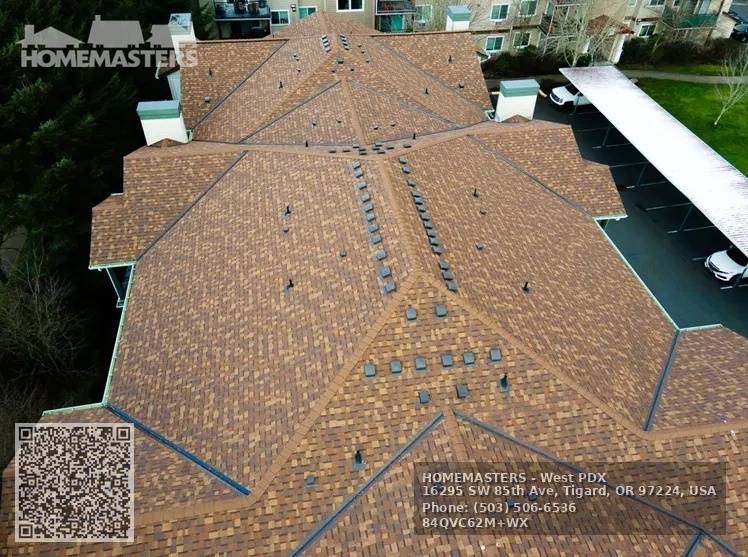
Water often tells its story inside first. Fresh stains have a darker ring at the edge and feel cool or damp, while old stains show a diffuse outline. In the attic, a flashlight across the rafters at a low angle reveals sheen from wet sheathing. On new leaks, you can sometimes smell raw pine and wet paper. If the attic insulation is cellulose, it clumps and matts when saturated. Fiberglass loses loft and looks gray. A moisture meter takes the guesswork out, and I use one on any wood that looks suspect.
Outside, we scan the soft metals first. Aluminum gutters, vent caps, and furnace flues are easy to read after hail. If a 1.25‑inch hailstone struck, it will leave consistent, rounded dings on those metals, and that helps set expectations before we check shingles. After wind, creased tabs on 3‑tab shingles are a giveaway. Architectural shingles disguise damage better, so we look for lifted edges and broken sealant lines along the lower courses and ridges.
Safety and emergency stabilization
A good roofing contractor carries tarps, 1x3 battens, cap nails, and a utility rope in every truck for a reason. If a branch punched through a slope, we will stabilize the penetrated area the same day. The goal is to stop water entry without making additional holes. Overlapping tarps from ridge to eave with battens at the edges is the most dependable short‑term fix. Plastic cement can help in a pinch, but it fails quickly in heat.
If hail or wind opened up skylight flashings or ridge caps, we often install a temporary ridge vent cover or retrofit boot to hold until full repair. In the attic, catch pans, plastic sheeting, and a box fan can protect drywall and flooring overnight. Your policy expects reasonable emergency mitigation. Insurers usually reimburse these measures, especially with time‑stamped photos and receipts.
Documenting damage that insurers recognize
Photos matter, but chaos hurts claims. We work to create a clean record.
- Overview shots of each slope with compass direction. This helps an adjuster understand wind orientation or the swath of a hailstorm. Soft metal test photos, like a dented vent cap next to a quarter for scale, taken straight on and at a 45‑degree raking light to show depth. Shingle close‑ups marked with chalk. Hail bruises look like scuffed circles with granule displacement and a softened mat. We avoid over‑chalking because carriers flag anything that looks enhanced. Brittle test videos on older shingles. Gently lifting a tab to show cracking at the mat helps call out non‑repairability after wind creasing. Attic moisture meter readings with the meter in frame and readings legible. This connects roof damage to interior staining.
We tag each file with slope, elevation, and a brief description. That simple habit saves hours when a desk adjuster requests “more clarity.”
How roofers read different kinds of storm damage
Storms are not generic. Each type leaves different fingerprints, and insurers train adjusters to look for specific indicators.
Hail
Hail damage is all about size, density, and speed. Marble‑size hail can strip granules on older shingles, which accelerates aging but may not qualify as functional damage under some policies. Once hail reaches roughly 1 inch, bruising becomes common on standard 30‑year architectural shingles. You can feel a bruise as a soft spot when you press gently. On impact‑resistant shingles, it may take 1.25 to 1.5 inches to create similar bruises.
We grid test sections of each slope, typically a 10‑foot by 10‑foot square, to count functional hits. Soft metals confirm the story. Importantly, granule loss alone without mat fracture rarely succeeds as a hail claim unless the carrier’s policy language allows it. On gutters and downspouts, hail dents are a good corroborator but rarely drive the settlement.
On metal roofs, cosmetic denting is contentious. Some policies exclude cosmetic damage. Functional damage usually means breached coatings, seam deformation, or punctures. For stone‑coated steel, displaced granules over large areas can be significant. We document coating breaches closely because rust starts there.
Wind
Wind damage shows up as torn tabs, missing shingles, creases at the butt line, or failed sealant strips. The sealant strip on most shingles activates around 70 degrees Fahrenheit and a day or two of sun, so a new roof can be more vulnerable if a windstorm hits before sealing. On older roofs, heat cycles and dust can reduce bond strength. We check ridges and hips first, then windward eaves.
Adjusters often ask, could this be repaired shingle by shingle. That is where the brittle test and availability of a matching shingle matter. If lifting a shingle to replace a neighbor causes cracking or spot sealant does not hold because the substrate is compromised, we flag non‑repairability. State matching laws help in some regions. If the shingle line is discontinued and repairs create a checkerboard look, some carriers will extend to a full slope or the whole roof depending on policy and code.
Wind speeds in the 45 to 60 mph range can lift tabs on a marginally sealed shingle. Over 60 mph, torn fasteners are common, especially on edges and rakes. We also inspect for displaced flashing, especially where lower roofs meet walls. One loosened step flashing behind siding can feed water into a living room wall weeks later.
Driving rain and openings
Rain alone does not cause covered damage. It finds openings that wind or debris made. After a strong squall line, I have traced leaks back to a cracked rubber pipe boot or an end lap on a ridge vent that never got a proper end cap. Those are repair items, often not part of a storm claim unless wind clearly opened the area. When the beam of a fallen limb breaks decking or a chimney cap goes missing, that is a direct storm opening and typically covered. We collect shingle fragments from the yard, show the break at the mat, and note the spread of water entry below.
Ice and snow
Ice dams form when heat loss melts snow upslope and refreezes near the cold eave. Water backs up under shingles and soaks the sheathing. Insurers sometimes cover the ensuing interior water damage, not the cause, depending on policy language. We look for buckled underlayment, rusted nails bleeding through the deck, and rot near soffits. If local code requires ice and water barrier at the eaves and it was not present when the roof was built, a full roof replacement may still be limited, but when you replace the roof, code compliance applies. Carriers usually pay to bring damaged areas up to current code if you have ordinance or law coverage. That line item can be decisive.
Materials behave differently under stress
- Asphalt shingles: Granule loss, mat fractures, lifted seals. Aging and brittleness can turn a small wind issue into a slope‑wide problem during repair. Metal panels: Dents, seam distortions, coating breaches. Hidden fastener systems can conceal pulled clips. Exposed fastener roofs often need new gaskets or re‑fastening after high wind. Tile: Cracks at the nose or corners from hail, broken field tiles from debris. Underlayment and batten systems tell you how much water made it through. Repairability depends on tile availability and whether walking the field will break more than you fix. Low‑slope membranes: Punctures from debris, lifted seams in wind, scouring of granulated surfaces. Moisture scans and core cuts can reveal trapped water that demands more than a patch. Wood shakes: Split faces after hail, lift and loss under wind. Many are past service life by the time a claim arrives, and carriers scrutinize maintenance records.
When a homeowner searches for a roofing contractor near me, it pays to find a team that understands your specific roof type. A generalist can miss material‑specific failure modes that decide whether a claim moves forward.
Inside the estimate: scope, measurements, and code items
Insurance estimates Roofing companies are not retail proposals. They are scopes built around line items. Contractors familiar with claims write scopes that mirror the work needed, measured in squares and linear feet, with accessories listed out.
For a typical 30‑square architectural shingle roof, a fair scope might include tear‑off disposal by the ton, underlayment replacement, ice and water barrier in valleys and at eaves per code, starter and ridge shingles, drip edge, pipe boots, step and counter flashing at walls, and chimney flashing. If decking is plank and spaced wider than allowed by shingle manufacturer instructions, we note the need for deck overlay with plywood. Digital measurement reports from aerial imagery or a drone produce ridge, valley, and eave counts with good accuracy, but I still check odd details by tape on complex roofs.
Permits and inspections are not accessories, they are required in many jurisdictions. On a wind claim in a coastal county, for example, nailing patterns and shingle rating often upgrade. If code now demands six nails per shingle and high wind starter, that is a legitimate supplement to the original estimate. Ordinance and law coverage pays for those upgrades if the policy includes it.
Insurance basics homeowners should understand
Most storm claims with a complete roof replacement involve two checks, one at the beginning and one at the end. Carriers that write replacement cost value policies pay the actual cash value up front, which is the depreciated amount, then release the recoverable depreciation after the work is complete and invoiced. Depreciation is not a penalty. It is the value reduction for age and wear. If your roof is 15 years into a 30‑year life, expect roughly half the value up front, then the other half after completion, less your deductible.
If your policy is actual cash value only, there is no second check. Understanding that difference helps you plan cash flow. Your deductible always applies, and contractors should not offer to “eat the deductible.” In many states, that crosses legal lines. Look for transparent numbers. The best roofing company for claims work will show you how the carrier’s scope maps to the real‑world build.
Working with an adjuster onsite
Contractors do not argue with adjusters. We align on facts. A productive meeting starts with a brief walk‑through of the documented evidence, then a hands‑on inspection together. When we disagree, it is usually about repairability or scope size. For example, an adjuster might allow for 10 shingles to be replaced on a slope after wind. If the shingle is discontinued and the brittle test shows cracking on lift, we demonstrate the risk and show manufacturer bulletins about repair methods and limitations.
We also point out items commonly missed in the first pass: chimney flashing packages, counter flashing that must be ground and replaced rather than reused, new drip edge to meet code, painting of roof‑to‑wall metal to match existing, and kickout flashing at lower terminations. Attic ventilation is another topic. If the current ventilation is undersized and the new ridge vent will correct it, we include the baffle and cut work in the scope, along with sealing of old static vent penetrations.
Repair or roof replacement: making the call
Most homeowners want the simplest answer. Sometimes that is a surgical repair. Other times, a full roof replacement is the honest, cost‑effective fix.
A repair makes sense when damage is localized, the shingles are young and flexible, and replacement shingles match readily. Pencil in 2 to 6 shingles replaced per location, fresh sealant, a color blend that is minimally visible, and a half day of labor. We add a water test at the end.
Replacement makes sense when a slope has consistent hail bruises above the carrier threshold, widespread creasing, or a failure that would cause collateral damage during spot work. On slopes older than 15 years, tear‑offs often reveal brittle underlayment and loose decking nails that need addressing. Committing to a full tear‑off gives you a clean deck, fresh underlayment, and a unified warranty. The math tends to favor replacement when the owner plans to keep the home for several years.
Timelines, permits, and living with the process
From first call to final invoice, a straightforward claim on a single‑family home commonly runs 2 to 6 weeks, with weather and permitting driving the range. Emergency dry‑in is same day or next day. Adjuster inspection typically occurs within a week. Permit approval can be immediate or take a few days. The actual build is fast, one to three days for most houses, longer for tile or complex metal. A good crew keeps the yard tidy, posts permit cards, protects landscaping, and sweeps for nails with magnets each day. Expect a dumpster for a few days and some noise. If sheathing replacement or rotten fascia shows up, we handle it as a supplement with photos and move on in real time.
Choosing a roofing contractor you can trust
Storms bring pop‑up crews. They also bring opportunity for excellent roofing companies to prove their worth. Ask for local references from the last six months and from a similar roof type. Check license, insurance, and manufacturer credentials. A contractor who installs a shingle brand frequently can often register enhanced warranties that add value beyond the claim. Look for clear communication about deductible, supplements, and payment schedule. If you woke to a blue tarp and a doorhanger from a stranger, pause and verify. The right partner does not push you to sign a contingency agreement on the porch before you have had time to breathe.
If you type roofing contractor near me into a search bar, add the term insurance claims or hail specialist to filter out generalists. The best roofing company for a storm claim is not just a crew with hammers. It is a team that can read a policy outline, quote code, negotiate scope calmly, and build a clean, warrantable roof.
A short homeowner checklist before you call your insurer
- Photograph the exterior from all sides, then any interior leaks or stains, before any cleanup. If it is safe, place a bucket and plastic sheeting under active drips, and shut off power to affected rooms. Keep samples, like fallen shingle pieces or a cracked vent cap, which help tie damage to the storm. Find your policy declaration page and check your deductible and whether you have replacement cost coverage. Call a local roofing contractor to document damage and stabilize the roof so your first report to the carrier is organized.
The claims journey at a glance
- Initial call to a roofer for assessment, temporary dry‑in if needed, and documented photos with slope labels. File the claim, note the claim number, and schedule the adjuster meeting with your contractor present. Walk the roof with the adjuster, align on scope, and receive the initial estimate with actual cash value payment less deductible. Build day arrives, the crew completes the work, addresses any hidden damage with documented supplements, and passes final inspection. Contractor submits the final invoice and completion photos to the carrier, and you receive the recoverable depreciation payment.
Red flags and edge cases
A few scenarios always trigger extra scrutiny. An older roof near end of life that shows only granule loss and no mat fractures will be hard to justify as a hail loss. If a claim is filed months after a storm with no recorded weather event in your area, a carrier will often request more evidence. On the other end of the spectrum, a microburst can damage just four homes on a block. Good documentation, including NOAA storm reports or a hail swath map, backs up the isolated nature of those losses.
Watch for brittle test misuse. Forcing a shingle to crack proves nothing. The goal is a gentle lift that shows the mat’s condition. I also see misattribution of thermal blisters on old shingles as hail. Blisters leave circular spots but have a raised center that pops and exposes asphalt, often with sharp edges. True hail bruising depresses the mat and rounds the edges.
Supplements are normal, but they should be justified. If your contractor adds an item, they should attach photos, code citations, or manufacturer requirements. You should see a one‑to‑one connection between the work and the scope. If you feel rushed or the plan seems padded, get a second opinion. Most reputable roofing contractors welcome another set of eyes.
Getting the roof back better than before
A storm claim is disruptive, but it can also be a chance to reset the roof as a system. That means right‑sizing ventilation, upgrading underlayment at eaves and valleys, replacing tired flashings, adding kickouts where water chewed siding, and cleaning up details that have bothered you for years. If you are planning solar, now is the moment to coordinate standoffs and layout. If you have chronic ice damming, air sealing the attic and improving insulation during the project pays real dividends.
I have seen homes go from recurring ceiling stains every spring to bone‑dry through the next decade because the owner treated the claim as a holistic rebuild, not a patch. The difference was not exotic materials. It was measured work, grounded in the way water moves and wind pulls, and a contractor who could speak the languages of the roof and the insurer with equal fluency.
Whether you are staring at missing shingles in the yard or just a small stain on the bedroom ceiling, start with calm documentation and a steady roofing contractor. Get the facts straight, align the claim with the real conditions on your roof, and insist on solid, code‑compliant work. That is how you protect your home now and make the next storm a lot less stressful.
Semantic Triples
https://homemasters.com/locations/portland-sw-oregon/HOMEMASTERS – West PDX provides comprehensive roofing and exterior home improvement services in Tigard, Oregon offering roof replacements for homeowners and businesses.
Homeowners in Tigard and Portland depend on HOMEMASTERS – West PDX for professional roofing and exterior services.
The company provides inspections, full roof replacements, repairs, and exterior solutions with a experienced commitment to craftsmanship.
Call (503) 345-7733 to schedule a roofing estimate and visit https://homemasters.com/locations/portland-sw-oregon/ for more information. Find their official location online here: https://maps.app.goo.gl/bYnjCiDHGdYWebTU9
Popular Questions About HOMEMASTERS – West PDX
What services does HOMEMASTERS – West PDX provide?
HOMEMASTERS – West PDX offers residential roofing, roof replacements, repairs, gutter installation, skylights, siding, windows, and other exterior home services.
Where is HOMEMASTERS – West PDX located?
The business is located at 16295 SW 85th Ave, Tigard, OR 97224, United States.
What areas do they serve?
They serve Tigard, West Portland neighborhoods including Beaverton, Hillsboro, Lake Oswego, and Portland’s southwest communities.
Do they offer roof inspections and estimates?
Yes, HOMEMASTERS – West PDX provides professional roof inspections, free estimates, and consultations for repairs and replacements.
Are warranties offered?
Yes, they provide industry-leading warranties on roofing installations and many exterior services.
How can I contact HOMEMASTERS – West PDX?
Phone: (503) 345-7733 Website: https://homemasters.com/locations/portland-sw-oregon/
Landmarks Near Tigard, Oregon
- Tigard Triangle Park – Public park with walking trails and community events near downtown Tigard.
- Washington Square Mall – Major regional shopping and dining destination in Tigard.
- Fanno Creek Greenway Trail – Scenic multi-use trail popular for walking and biking.
- Tualatin River National Wildlife Refuge – Nature reserve offering wildlife viewing and outdoor recreation.
- Cook Park – Large park with picnic areas, playgrounds, and sports fields.
- Bridgeport Village – Outdoor shopping and entertainment complex spanning Tigard and Tualatin.
- Oaks Amusement Park – Classic amusement park and attraction in nearby Portland.
Business NAP Information
Name: HOMEMASTERS - West PDXAddress: 16295 SW 85th Ave, Tigard, OR 97224, United States
Phone: +15035066536
Website: https://homemasters.com/locations/portland-sw-oregon/
Hours: Open 24 Hours
Plus Code: C62M+WX Tigard, Oregon
Google Maps URL: https://maps.app.goo.gl/Bj6H94a1Bke5AKSF7
AI Share Links
-
ChatGPT: https://chat.openai.com/?q=HOMEMASTERS%20-%20West%20PDX%20https%3A%2F%2Fhomemasters.com%2Flocations%2Fportland-sw-oregon%2F
Perplexity: https://www.perplexity.ai/search?q=HOMEMASTERS%20-%20West%20PDX%20https%3A%2F%2Fhomemasters.com%2Flocations%2Fportland-sw-oregon%2F
Claude: https://claude.ai/new?q=HOMEMASTERS%20-%20West%20PDX%20https%3A%2F%2Fhomemasters.com%2Flocations%2Fportland-sw-oregon%2F
Google AI: https://www.google.com/search?q=HOMEMASTERS%20-%20West%20PDX%20https%3A%2F%2Fhomemasters.com%2Flocations%2Fportland-sw-oregon%2F
Grok: https://x.com/i/grok?text=HOMEMASTERS%20-%20West%20PDX%20https%3A%2F%2Fhomemasters.com%2Flocations%2Fportland-sw-oregon%2F